

7 Smart Health Tracking Technologies Leading Trends in 2026 | Safe and Sound
Today, with just a smart ring, smartwatch, or smartphone app, users can track a range of health metrics in real time. Beyond simply recording data, modern systems can analyze, warn, and offer suggestions, helping individuals take a more proactive approach to their personal health.
So what are the smart health tracking technologies that will be trending in 2026? Let's explore 7 prominent technologies shaping the future of smart health.
What is smart health tracking technology?
Smart health tracking technology is a collection of devices, sensors, and software platforms designed to automatically collect, analyze, and manage a user's health data.
Unlike traditional measurement methods that only provide data at a specific point in time, these technologies allow for continuous monitoring 24/7. As a result, users can gain a better understanding of their body's condition and detect abnormal changes early.
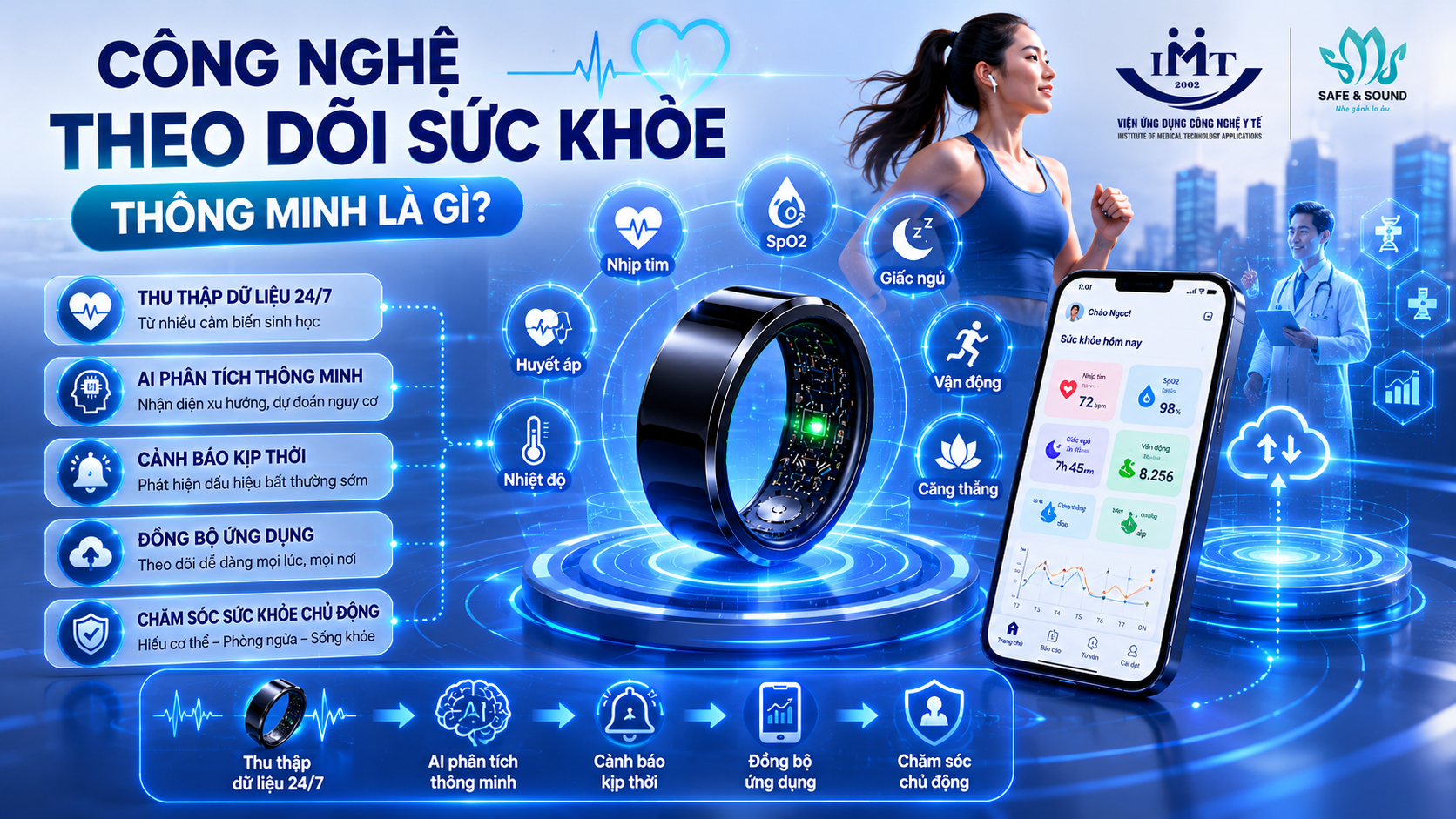
This also serves as a crucial foundation for promoting the development of the smart health ecosystem globally.
>> See also: Smart Ring, Smartwatch or App: Which is the Right Personal Health Tracking Device for 2026?
Listing 7 Top Health-Tracking Technologies of 2026
The rise in chronic diseases, prolonged work stress, and increasing awareness of proactive healthcare have led to a significant increase in the demand for personal health monitoring.
Furthermore, advancements in AI, biosensors, and cloud computing are enabling wearable devices to become more accurate, compact, and user-friendly. Users no longer need to visit hospitals frequently to monitor basic health indicators; they can do so in their daily lives.
Advanced Biosensors
This is considered the most important foundation of all modern health monitoring devices. Next-generation biosensors are capable of recording multiple data points simultaneously, such as the following:
- Heart rate
- SpO2
- Body temperature
- Breathing
- Stress level
- Sleep quality
Compared to previous generations, current sensors are more accurate and consume less energy, allowing the device to operate continuously for longer periods.
AI health tracking device
AI is becoming a game-changer in the field of personalized healthcare. While previously devices simply recorded data, AI can now:
- Health Trend Analysis
- Anomaly identification
- Predicting potential risks
- Provide personalized recommendations.
For example, the system can detect an abnormally high heart rate that persists for several days or a persistent decline in sleep quality to warn users earlier. Therefore, AI health monitoring devices are considered one of the fastest-growing trends in healthcare technology today.
Smart Ring for Health Monitoring
While smartwatches once dominated the wearable device market, 2026 will see strong growth in health-tracking smart rings. Unlike smartwatches, smart rings possess several advantages:
- Compact size
- Comfortable to wear all day and while sleeping.
- Continuous data monitoring
- Less distracting from notifications
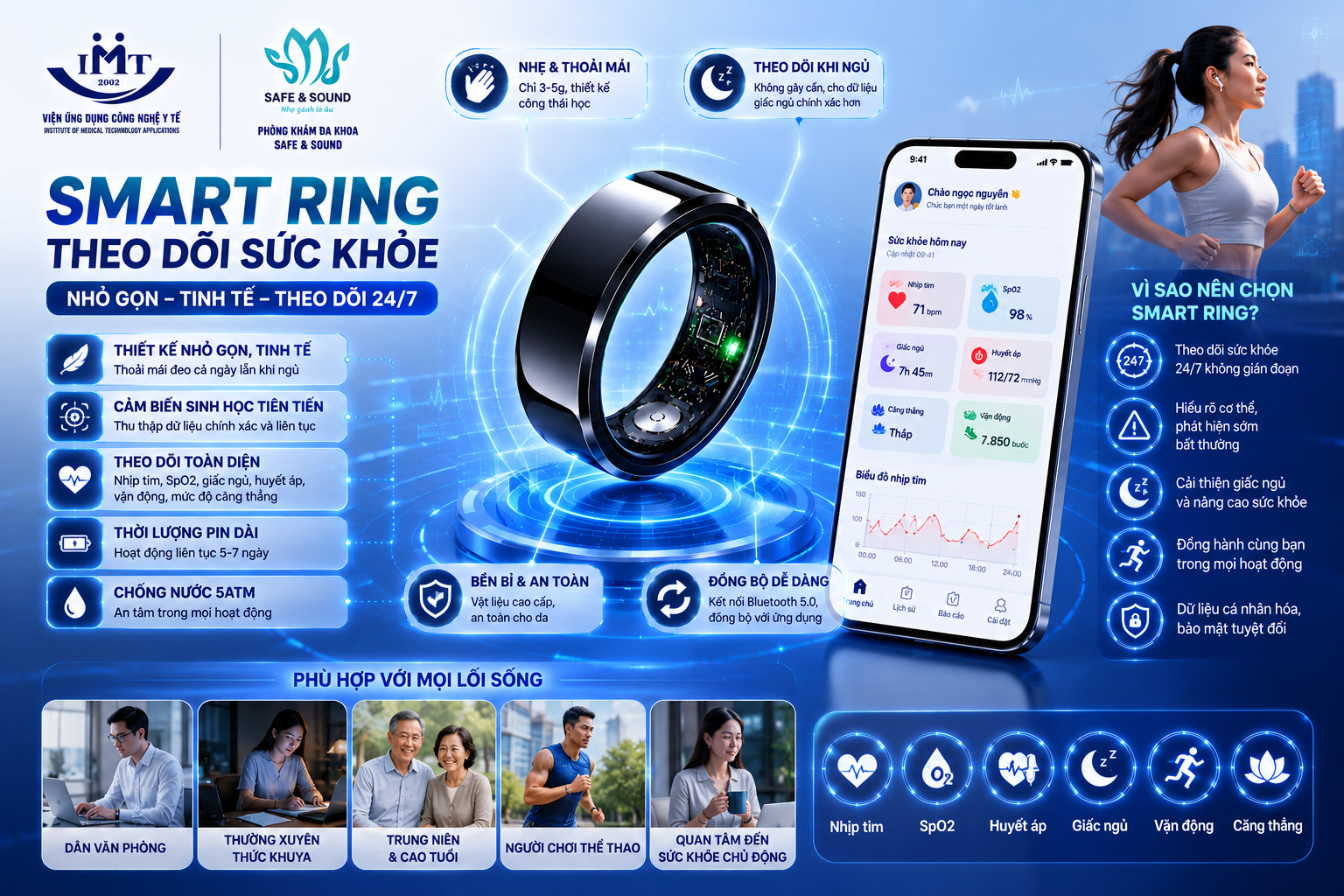
Thanks to their placement on the finger—where capillaries are concentrated—the sensors can collect biological signals more effectively. Many smart rings now offer tracking capabilities:
- Heart rate
- SpO2
- Blood pressure
- Sleep
- Activity level
- Body's ability to recover
Personalized Health Tracking App
A smart device won't reach its full potential without a data management platform. That's why health tracking apps are playing an increasingly important role in the modern healthcare ecosystem. These apps help:
- Aggregate data from multiple devices.
- Display visual charts
- Track your health progress.
- Archive history spanning months or years.
- Generate recurring reports
Instead of looking at isolated numbers, users can observe the complete picture of their health over time.
Advanced Sleep Tracking Technology
Studies are increasingly showing that sleep directly impacts physical and mental health. Modern sleep tracking technology not only measures sleep duration but also analyzes the following:
- Duration of deep sleep
- REM phase
- Number of times woke up
- Restoration quality
- The impact of lifestyle habits
Using this data, users can adjust their sleep schedules, diets, and exercise levels to improve the quality of their rest.
Real-Time Health Alert Technology
One of the biggest limitations of self-monitoring health is that not everyone understands the meaning of the metrics. Thanks to AI and big data analytics, modern platforms can proactively send alerts when they detect the following:
- Abnormal heart rate
- Prolonged decrease in SpO₂
- Sleep quality deteriorates.
- Signs of excessive stress
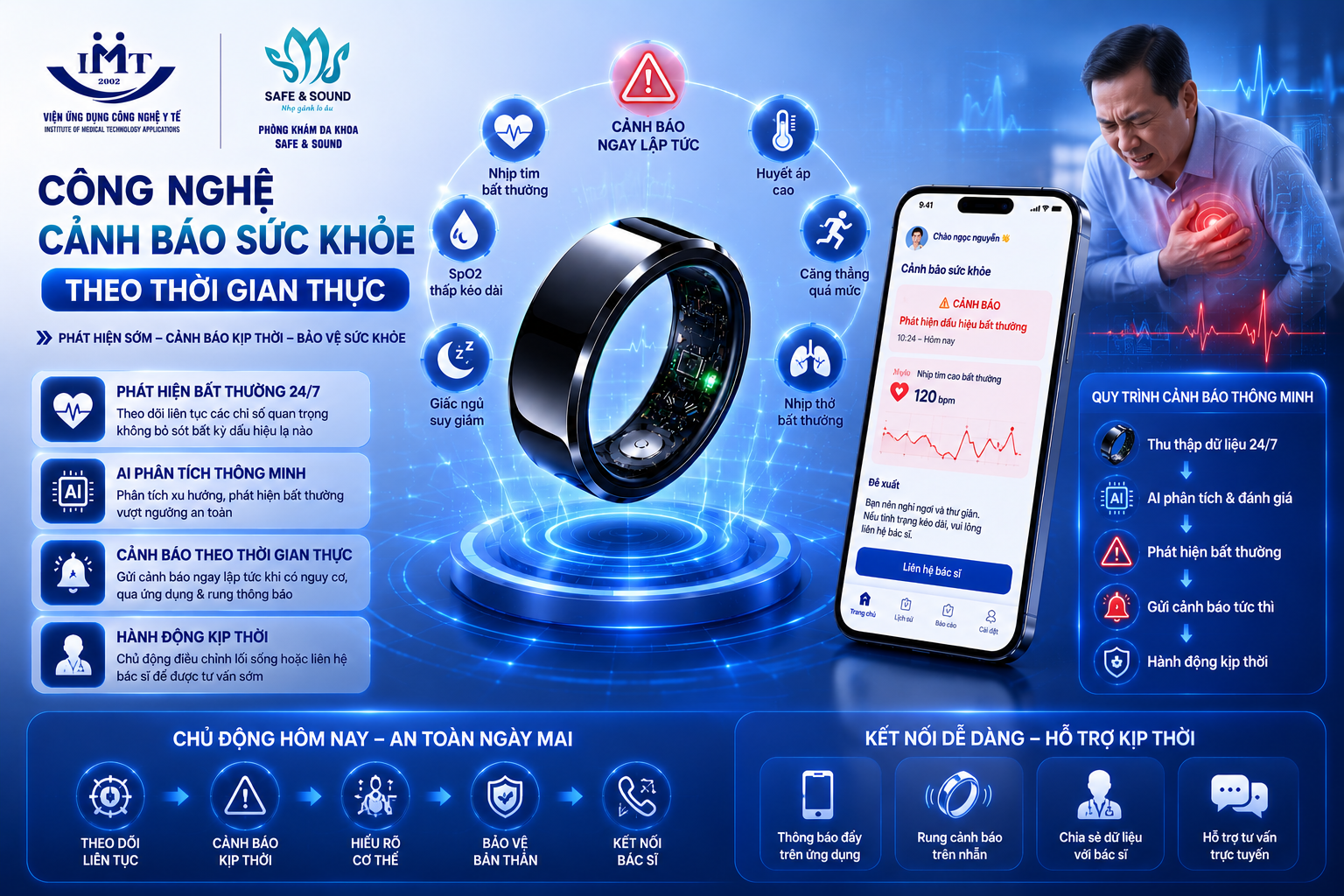
This allows users to take action early instead of waiting until obvious symptoms appear.
A Comprehensive Smart Health Ecosystem
The new trend for 2026 is no longer about standalone devices but about integrated healthcare ecosystems. In a complete smart health ecosystem, data from:
- Smart ring
- Smartwatch
- Phone
- Smart scales
- Blood pressure monitor
- Home medical devices
It will all be centralized on a single platform. This will make it easier for users to track their overall health and gain a more accurate understanding of their physical condition.
How can each user group leverage smart health tracking technology?
Not everyone uses health tracking technology for the same purpose. Some want to improve their sleep, and others need to monitor cardiovascular indicators, while many simply want to understand their bodies better each day.
The strength of current AI health tracking devices lies in their ability to personalize data, helping each user receive information tailored to their specific needs.
Office Workers: Managing Stress and Building a Healthier Lifestyle
Work pressure, long hours sitting in front of computer screens, and a lack of physical activity are causing many office workers to face insidious health problems such as insomnia, chronic stress, and declining physical fitness.
Smart health tracking technologies record heart rate, daily activity levels, and sleep quality, allowing users to better understand their physical condition. Through health tracking apps, they can identify prolonged sitting, insufficient sleep, or signs of chronic stress, enabling them to proactively adjust their lifestyle habits.

People Who Regularly Stay Up Late: Understanding What's Happening to Your Sleep
Many people believe that simply getting enough sleep is enough for the body to recover. However, in reality, the quality of sleep is the deciding factor.
Modern health tracking devices can analyze deep sleep duration, number of awakenings during the night, REM sleep cycles, and the body's ability to recover after each night's rest.
This allows people who frequently stay up late or work shifts to identify habits that are negatively impacting their health, so they can gradually improve their sleep quality and daily energy levels.
>> See also: 5 Ways to Improve Sleep That Many People Are Applying Today
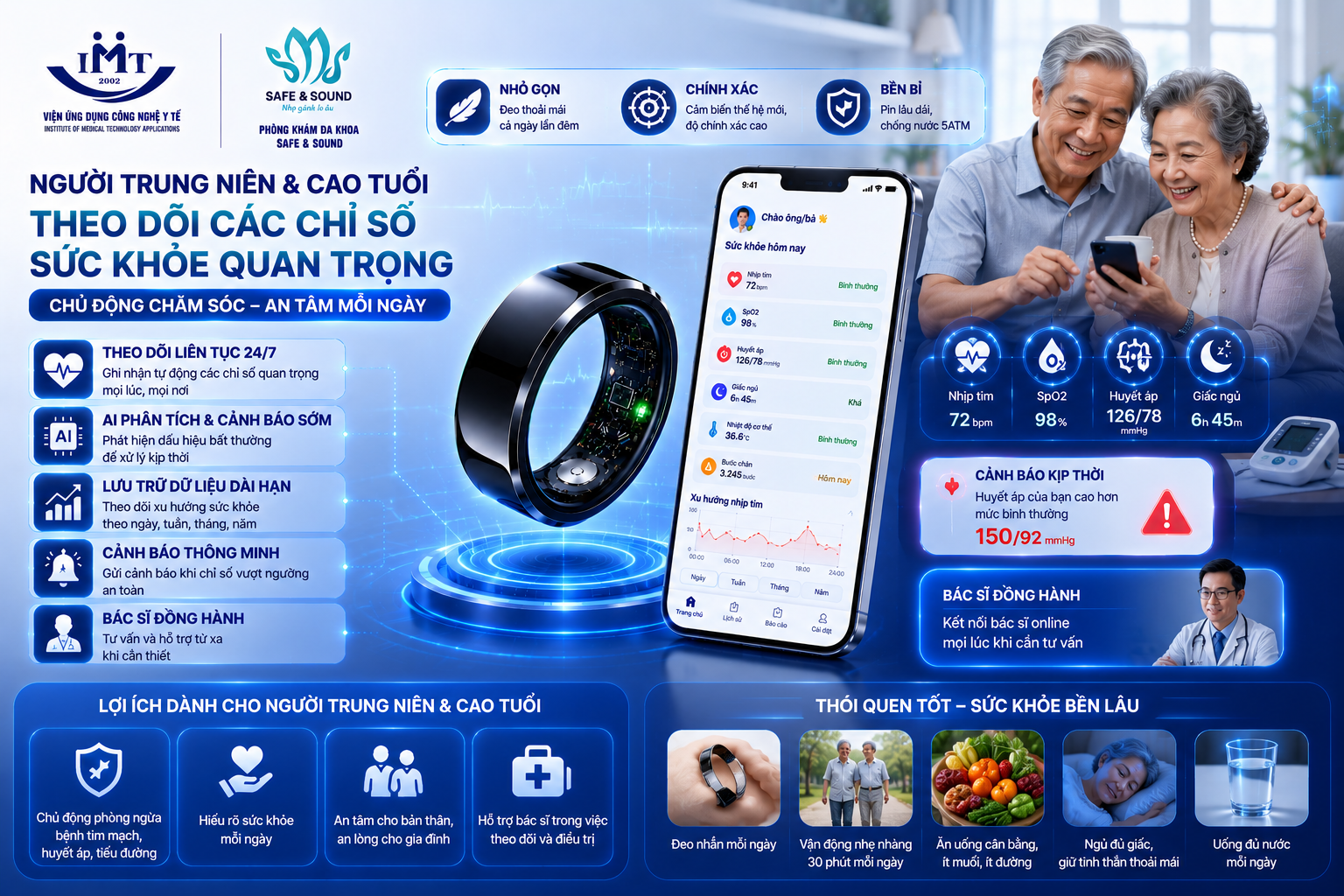
Middle-Aged and Older Adults: Monitoring Key Health Indicators Daily
As we age, the risk of developing cardiovascular, blood pressure, or respiratory problems also increases. However, many diseases often progress silently for a long time before obvious symptoms appear.
Thanks to smart health technology, users can continuously monitor indicators such as heart rate, SpO2, blood pressure, and sleep quality right at home. Data is stored over time, making it easy to identify abnormal changes and proactively seek medical attention when necessary.
This group also benefits greatly from AI-integrated automated health alert systems on next-generation devices.
For Athletes: Optimizing Performance and Recovery
For those who exercise regularly, monitoring their health is not only about preventing illness but also about improving athletic performance.
Smart wearable devices can record heart rate during exercise, activity level, calories burned, and recovery rate after each workout. Based on this data, users can adjust their workout intensity accordingly, avoiding overtraining or ineffective exercise.
In particular, many current health-tracking smart rings are designed specifically for sports enthusiasts thanks to their ability to be worn comfortably for extended periods.
Proactive Health-Oriented Individuals: Building Data-Driven Body Care Habits
You don't need to have an underlying medical condition or health problem to use health monitoring devices.
More and more young people are choosing health technology as a tool to support building a healthy lifestyle. Instead of relying entirely on subjective feelings, they can accurately monitor sleep quality, heart rate, activity levels, and other important metrics every day.
Maintaining a long-term habit of monitoring health data helps users better understand their bodies, detect abnormal changes early, and make appropriate adjustments before serious problems arise.
Frequent Travelers or Business People: Monitor Your Health Anytime, Anywhere
People with frequent travel schedules often struggle to maintain a stable routine. Changes in time zones, work schedules, or living environments can directly impact sleep quality and overall health.
Smart health tracking devices help users continuously monitor their body metrics no matter where they are. Simply connect to a health tracking app on your phone, and all your health data will be synchronized and updated in real time.
This is a suitable solution for businesspeople, managers, or frequent travelers who want to proactively take care of their health in their busy lives.
Conclude
The development of smart health tracking technology is making body care more proactive and easier than ever before. From biosensors and AI to health tracking apps and smart rings, all aim to help people understand their bodies better every day.
In 2026, AI-powered health tracking devices integrated with the smart health ecosystem are predicted to continue to be a prominent trend, ushering in a new era where everyone can manage their health more intelligently, continuously, and personally.
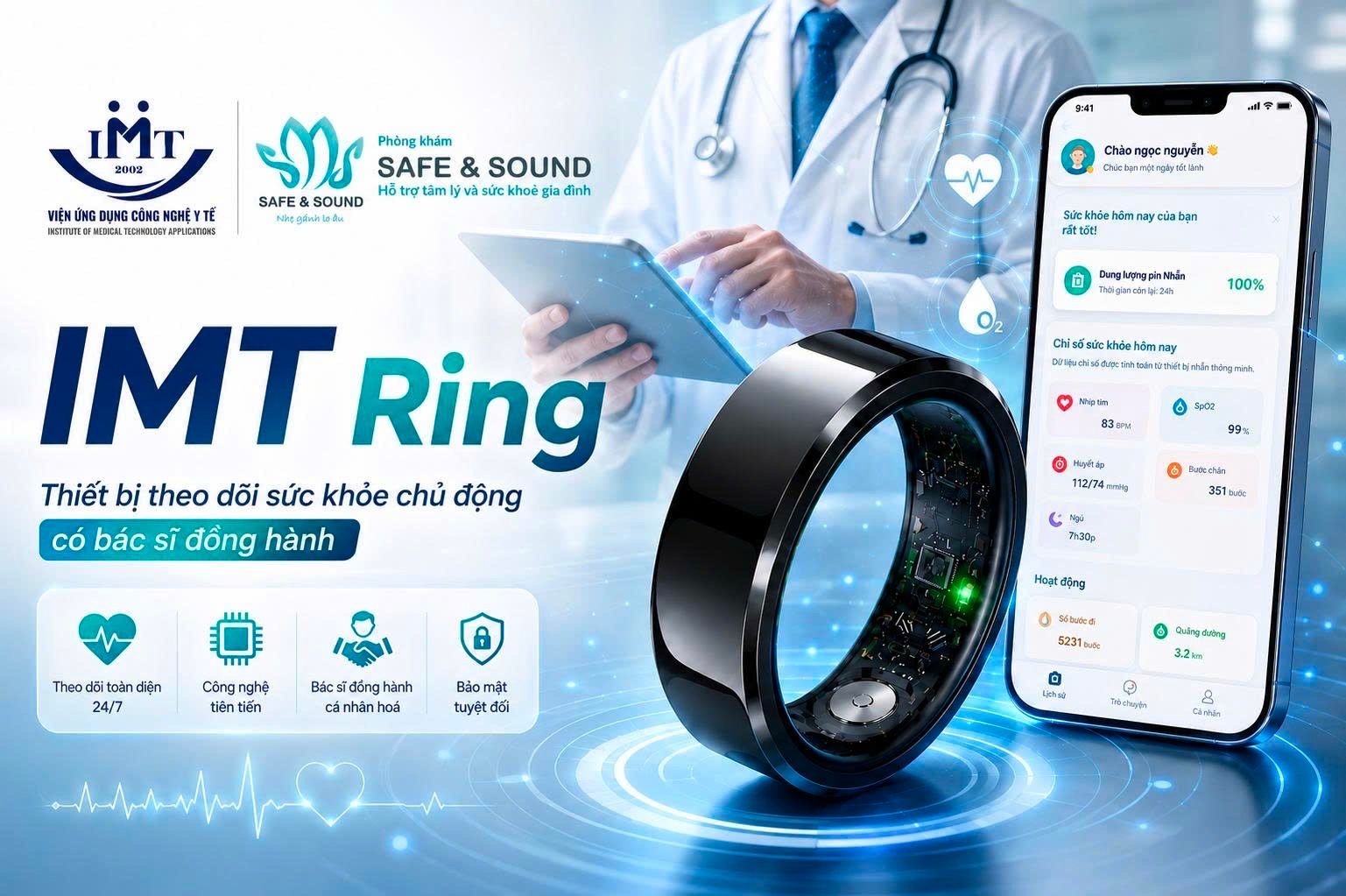
Developed with the vision of a "proactive health monitoring device with a doctor's support," the IMT Ring not only supports monitoring metrics such as heart rate, SpO2, blood pressure, and sleep, but also aims to build a comprehensive healthcare ecosystem. Through its integrated AI technology platform and expert connectivity, users can easily monitor, manage, and better understand their health status every day.
If you're looking for a solution that helps you proactively monitor your health in a simpler and more convenient way in modern life, the IMT Ring could be a worthwhile option to start your health care journey with even the smallest changes each day.
